
Enhancing Safety for Classic Cars: Classic Car Safety Upgrades
Owning a classic car is a thrilling experience. The charm, the history, and the unmistakable style make every drive a special occasion. But as much as we love these vintage beauties, we also know that safety standards have evolved dramatically since they were first built. So, how do we keep that nostalgic elegance while ensuring our classic cars are as safe as possible on today’s roads? Let’s dive into some practical and effective classic car safety upgrades that can make a real difference.
Why Classic Car Safety Upgrades Matter
Classic cars were designed in an era when safety regulations were far less stringent. Features we take for granted today, like airbags, crumple zones, and advanced braking systems, simply didn’t exist back then. This means that while these cars look fantastic, they can be vulnerable in accidents or even during everyday driving.
Upgrading your classic car’s safety isn’t about stripping away its character. It’s about blending the best of both worlds - preserving that vintage appeal while adding modern technology to protect you and your passengers. Whether it’s improving braking performance, adding seat belts, or upgrading lighting, these enhancements can save lives and give you peace of mind.

Essential Classic Car Safety Upgrades You Should Consider
Let’s get into the nitty-gritty. Here are some of the most impactful upgrades you can make to enhance your classic car’s safety:
1. Braking System Improvements
Many classic cars came with drum brakes, which are less effective than modern disc brakes. Upgrading to a disc brake system can drastically improve stopping power and reduce brake fade during long drives or emergency stops.
Disc brake conversion kits are widely available and can be fitted without altering the car’s original look.
Consider upgrading to dual-circuit brake systems for added reliability.
Don’t forget to use modern brake fluid and regularly check brake lines for wear.
2. Seat Belts and Harnesses
If your classic car doesn’t have seat belts, or only has lap belts, upgrading to modern three-point seat belts is a must. They provide much better restraint in a collision.
For those who want extra security, especially in high-performance restorations, racing harnesses can be installed.
Ensure that seat belts are mounted to the car’s frame securely, not just the body panels.
3. Lighting Upgrades
Visibility is key to safety. Classic cars often have dimmer, less effective lighting compared to modern vehicles.
Upgrade to LED headlights and tail lights for brighter, more reliable illumination.
Consider adding daytime running lights to increase visibility during the day.
Check and replace old wiring to prevent electrical failures.
4. Suspension and Handling Enhancements
Improving your car’s suspension can make it more stable and responsive, reducing the risk of accidents.
Modern shocks and springs can be fitted to improve ride quality and handling.
Upgrading to disc brakes on all four wheels complements suspension improvements.
Consider anti-roll bars to reduce body roll during cornering.
5. Safety Glass and Mirrors
Original glass in classic cars may not meet today’s safety standards.
Replace old glass with laminated safety glass to reduce injury risk in accidents.
Upgrade side and rear view mirrors for better visibility and reduced blind spots.
If you’re looking for expert help with these upgrades, oldbonesfabrications andover is a fantastic resource. They specialise in high-end, innovative classic car restoration and customisation, pushing the boundaries to combine nostalgic elegance with modern performance and safety.
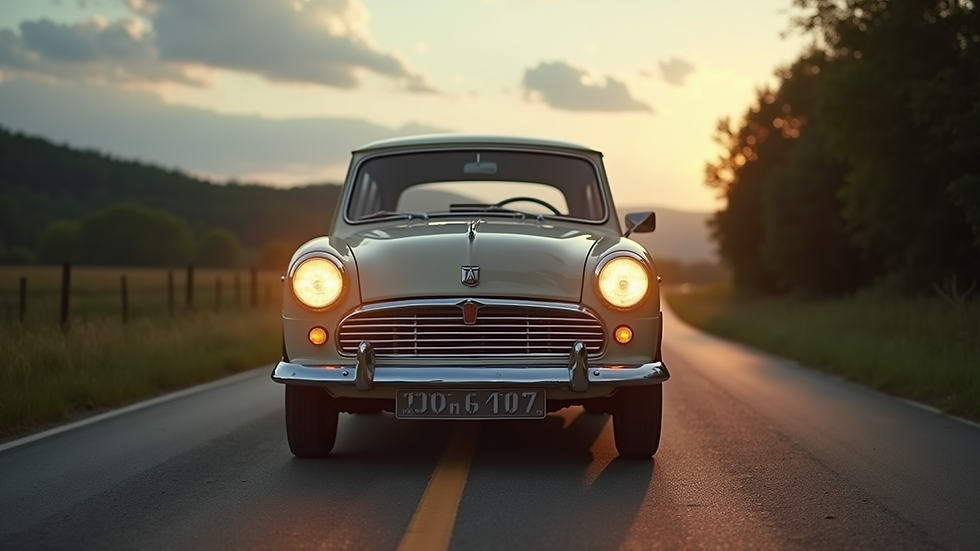
How to Approach Classic Car Safety Upgrades Without Losing Authenticity
One of the biggest concerns when upgrading safety features is maintaining the car’s original look and feel. Here are some tips to balance safety with authenticity:
Choose reversible modifications where possible. For example, bolt-on seat belt kits that don’t require welding.
Use period-correct parts that have been modernised internally, like LED bulbs designed to look like original lamps.
Work with specialists who understand classic cars deeply and respect their heritage.
Document all changes carefully, so future owners know what has been upgraded.
This approach ensures your car remains a head-turner while being safer to drive.
Practical Tips for Maintaining Safety After Upgrades
Upgrading your classic car’s safety is just the first step. Maintaining those improvements is equally important.
Regular inspections: Check brakes, seat belts, and lights frequently.
Professional servicing: Have your car serviced by experts familiar with classic vehicles.
Safe driving habits: Remember, no upgrade replaces cautious driving.
Keep records: Maintain detailed logs of all upgrades and maintenance.
By staying proactive, you’ll enjoy your classic car with confidence and peace of mind.
Embracing the Future While Honouring the Past
Classic cars are timeless treasures, and enhancing their safety is a way to respect their legacy while adapting to modern realities. Whether you’re cruising down country lanes or showing off at a car meet, these upgrades help ensure that your beloved vehicle is as safe as it is stunning.
If you’re ready to take your classic car to the next level, consider reaching out to specialists like oldbonesfabrications andover who can guide you through bespoke safety upgrades tailored to your car’s unique character.
Let’s keep these beautiful machines on the road for many more years - safely and stylishly!


Comments