
Discover the World of Custom Car Fabrication Safety
When it comes to classic, retro, and American cars, nothing beats the thrill of owning a vehicle that’s been lovingly restored and customised to perfection. But beyond the gleaming paint and roaring engines lies a crucial aspect that often gets overlooked: custom car fabrication safety. Today, I want to take you on a journey through the fascinating world of custom car fabrications, focusing on how safety and innovation go hand in hand to create truly exceptional vehicles.
Why Custom Car Fabrication Safety Matters
Custom car fabrication is an art form. It’s about transforming a classic car into a unique masterpiece that reflects personality, style, and performance. However, this transformation must never come at the expense of safety. When we modify or restore a vehicle, we’re altering its original design, which can affect structural integrity, crashworthiness, and overall reliability.
Here’s why safety should always be a top priority:
Structural Integrity: Reinforcing or modifying the chassis and frame ensures the car can handle modern driving stresses.
Crash Protection: Upgrading safety features like roll cages, seat mounts, and crumple zones can save lives.
Legal Compliance: Many regions require custom vehicles to meet specific safety standards before they hit the road.
Peace of Mind: Knowing your car is safe lets you enjoy the ride without worry.
In my experience, the best custom fabrications blend nostalgic charm with cutting-edge safety technology. It’s a balance that requires skill, knowledge, and a deep respect for the vehicle’s heritage.

Essential Safety Practices in Custom Car Fabrication
Let’s get practical. If you’re considering a custom build or restoration, here are some essential safety practices to keep in mind:
1. Use Quality Materials
Never compromise on materials. High-grade steel, aluminium alloys, and modern composites can provide strength without excessive weight. For example, replacing rusted panels with laser-cut steel sheets ensures durability and safety.
2. Reinforce Critical Areas
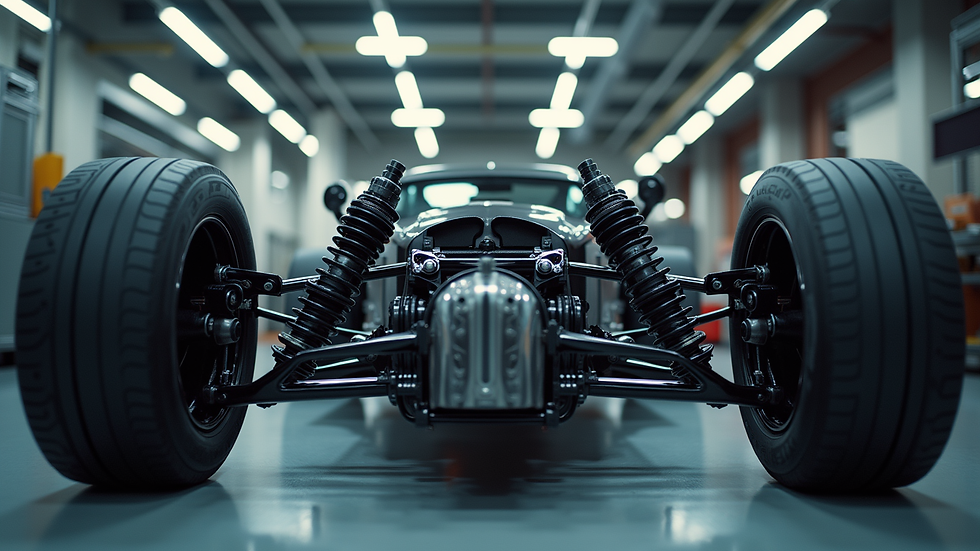
Focus on reinforcing the frame, suspension mounts, and firewall. These areas bear the brunt of driving forces and potential impacts. Adding a roll cage or subframe connectors can dramatically improve rigidity and crash protection.
3. Professional Welding and Fabrication
Welding is the backbone of custom fabrication. Poor welds can lead to catastrophic failures. Always work with certified welders who understand automotive standards and use proper techniques like MIG or TIG welding.
4. Upgrade Braking and Suspension Systems
Custom cars often have more power than their original specs. Upgrading brakes and suspension components ensures the car can stop and handle safely. Disc brake conversions and adjustable coilovers are popular choices.
5. Install Modern Safety Features
Integrate modern seat belts, airbags (where possible), and fire suppression systems. Even classic cars can benefit from these upgrades without losing their vintage appeal.
6. Test and Inspect Thoroughly
Before hitting the road, conduct thorough inspections and test drives. Look for any signs of weakness, unusual noises, or handling issues. Safety checks should be ongoing, not just a one-time event.
By following these steps, you’re not just building a car; you’re crafting a safe, reliable machine that honours its past while embracing the future.
The Role of Innovation in Custom Car Fabrication Safety
Innovation is the secret sauce that elevates custom car fabrication from a hobby to a high-performance craft. Today’s fabricators have access to technologies that were unimaginable just a decade ago.
CAD and 3D Modelling
Computer-aided design (CAD) allows us to visualise modifications before cutting any metal. This reduces errors and ensures parts fit perfectly, maintaining structural integrity.
CNC Machining and Laser Cutting
Precision tools like CNC machines and laser cutters produce components with incredible accuracy. This means safer, stronger parts that fit exactly as intended.
Advanced Materials
Carbon fibre, Kevlar, and other composites are making their way into custom builds. These materials offer exceptional strength-to-weight ratios, improving both performance and safety.
Data-Driven Safety Testing
Some fabricators use simulation software to predict how a custom build will behave in a crash. This proactive approach helps identify weak points and refine designs before fabrication begins.
If you want to see these innovations in action, I highly recommend checking out oldbonesfabrications andover. Their work perfectly illustrates how modern techniques and traditional craftsmanship can come together to create stunning, safe restorations.
How to Choose the Right Fabricator for Your Project
Choosing the right fabricator is crucial. You want someone who understands both the artistry and the engineering behind custom car fabrication safety. Here’s what to look for:
Experience with Classic Cars: Not all fabricators specialise in vintage or American classics. Find someone who knows the quirks and challenges of your specific model.
Safety Certifications: Look for fabricators with certifications in welding, fabrication, and automotive safety standards.
Portfolio of Work: Review their past projects. Do they demonstrate attention to detail and a commitment to safety?
Customer Reviews: Feedback from other classic car owners can provide valuable insights.
Communication: A good fabricator listens to your vision but also advises on safety and feasibility.
Remember, this is a partnership. You want to work with someone who respects your passion and shares your commitment to quality and safety.
Bringing It All Together: The Future of Custom Car Fabrication Safety
As we look ahead, the world of custom car fabrication is evolving rapidly. The fusion of classic aesthetics with modern engineering is creating vehicles that are not only beautiful but also safer and more reliable than ever before.
Here are some trends I’m excited about:
Electric and Hybrid Conversions: Classic cars with electric drivetrains offer cleaner, quieter performance without sacrificing style.
Smart Safety Systems: Integration of sensors, cameras, and driver assistance tech into custom builds.
Sustainable Materials: Using eco-friendly materials and processes to reduce environmental impact.
Community and Collaboration: More fabricators sharing knowledge and innovations to raise the bar for everyone.
If you’re passionate about classic cars and want a build that’s both stunning and safe, embracing these trends will keep your project ahead of the curve.
Your Next Step in Custom Car Fabrication
Ready to dive into your own custom car project? Whether you’re restoring a beloved classic or building a one-of-a-kind hot rod, prioritising safety will ensure your investment lasts a lifetime.
Start by researching fabricators who specialise in high-end restorations and customisations. Don’t hesitate to ask questions about their safety protocols and materials. And remember, the journey is just as rewarding as the destination.
For those in the know, oldbonesfabrications andover is a shining example of what’s possible when passion meets precision. Their work inspires us all to push boundaries while keeping safety front and centre.
So, let’s get out there and create something amazing - a car that turns heads, performs flawlessly, and keeps us safe on every mile of the road!


Comments